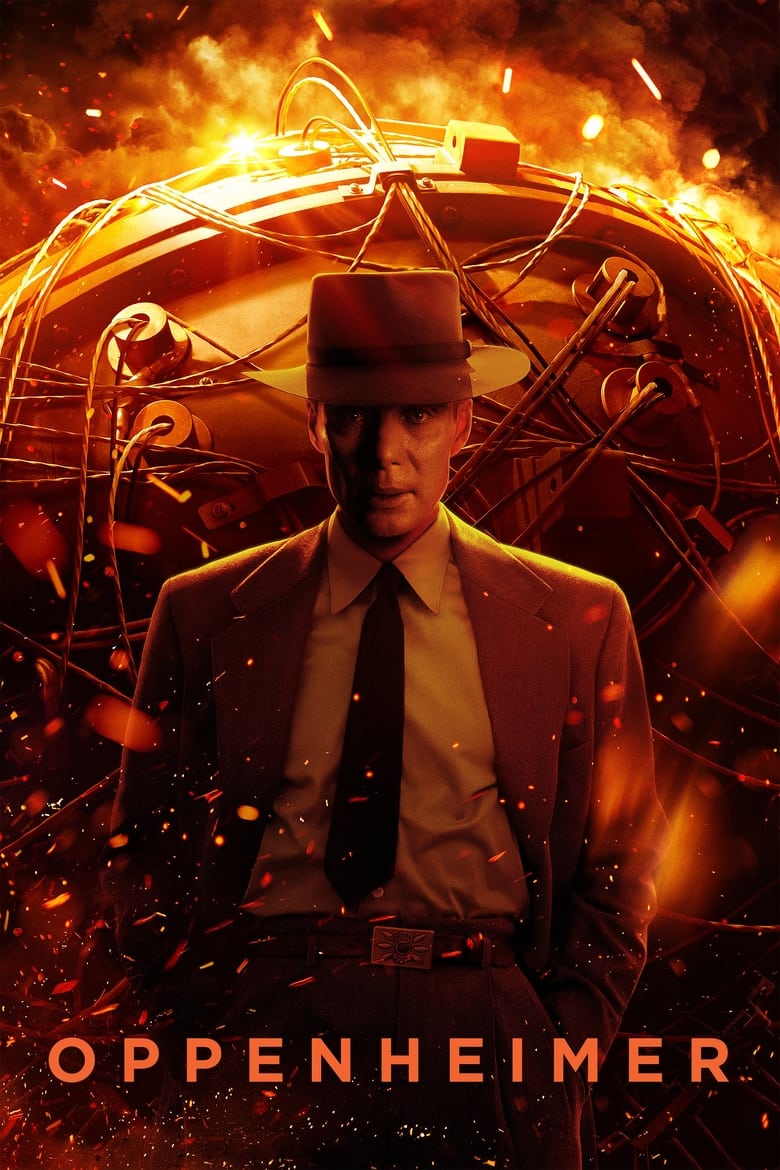
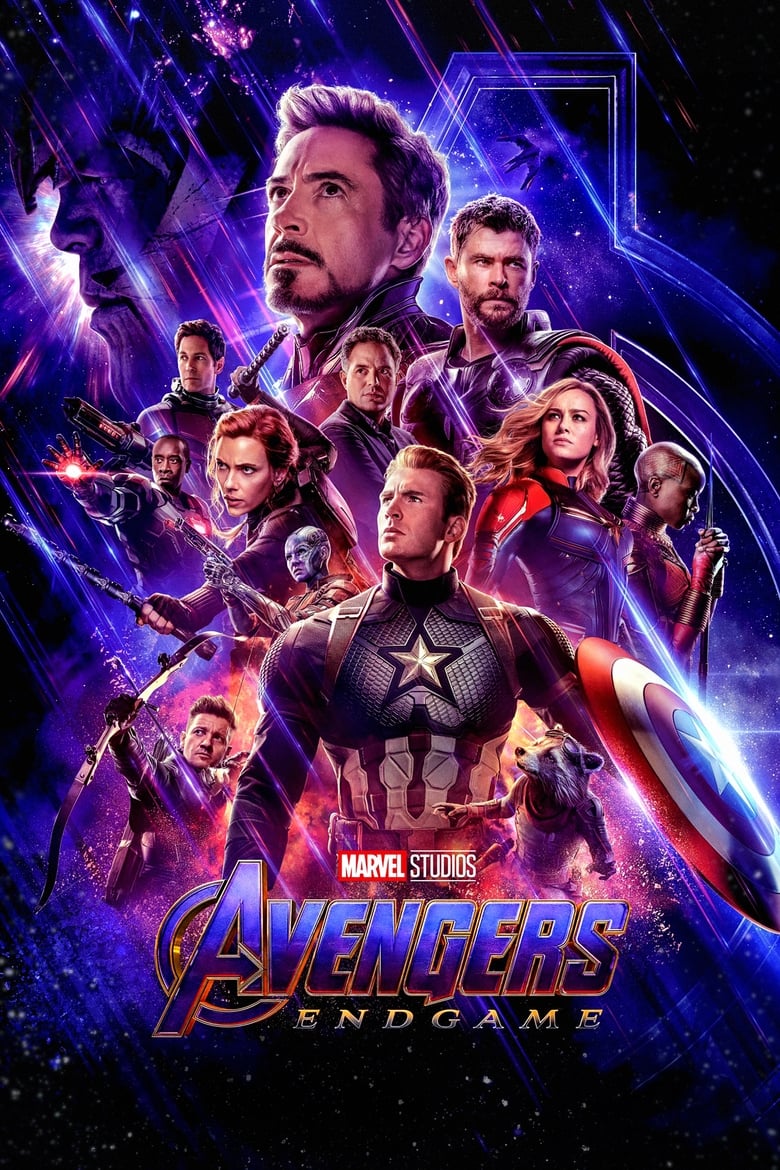
The rise of streaming services has fundamentally altered the global film industry. Over the past decade, digital platforms have reshaped not only how movies are distributed but also how they are created and consumed. With instant access to thousands of titles at the click of a button, audiences no longer rely solely on cinemas for entertainment.
Streaming platforms have introduced a new era of convenience, personalization, and creative freedom. But while this transformation has brought many benefits, it has also raised important questions about the future of traditional cinema.
The Rise of Streaming Platforms
Platforms like Netflix, HBO Max, and Amazon Prime Video have become dominant forces in the entertainment industry. These services offer on-demand content, allowing viewers to watch movies and series anytime, anywhere. This shift has reduced the dependency on physical theaters and cable television.
The accessibility of streaming has opened doors for international content, enabling audiences to explore films and series from different cultures and languages. This global reach was previously limited in the traditional cinema model.
Creative Freedom for Filmmakers
One of the biggest advantages of streaming is the creative freedom it provides to filmmakers. Directors and writers now have the opportunity to experiment with unique storytelling styles, longer formats, and unconventional themes without the strict limitations of theatrical releases.
Streaming platforms are also more willing to invest in niche content, indie films, and diverse voices that may not have succeeded in traditional box office environments.
Changing Audience Behavior
The way audiences consume content has dramatically changed. Binge-watching has become a common trend, and viewers now prefer watching content at their own pace. This shift has reduced the importance of opening weekend box office numbers and increased the value of long-term engagement.
Additionally, personalized recommendations powered by algorithms help users discover content tailored to their preferences, enhancing the overall viewing experience.
The Impact on Theaters
Traditional cinemas have faced significant challenges due to the rise of streaming. Many films now release directly on digital platforms, bypassing theaters altogether. This has led to a decline in cinema attendance, especially for mid-budget films.
However, blockbuster movies and large-scale productions still draw audiences to theaters, offering an experience that cannot be replicated at home.
Advantages of Streaming
- Convenience and accessibility
- Affordable subscription models
- Wide variety of content
- Global reach and diversity
- Creative freedom for filmmakers
Disadvantages of Streaming
- Decline of traditional cinema culture
- Content overload and decision fatigue
- Reduced theatrical experience
- Subscription fatigue with multiple platforms
The Future of Cinema
The future of cinema will likely be a hybrid model where both streaming and theaters coexist. While streaming will continue to dominate everyday viewing, cinemas will remain important for blockbuster releases and immersive experiences.
Filmmakers and studios are adapting to this new landscape by experimenting with simultaneous releases and flexible distribution strategies.
Final Thoughts
Streaming has undeniably changed cinema forever. It has made content more accessible, diverse, and flexible, while also challenging traditional systems. Whether this change is for better or worse depends on perspective, but one thing is certain — the way we watch films will never be the same again.