Horror got started almost the moment cinema did. Filmmakers worked out pretty quickly that people would pay to be frightened in the dark, as long as they could go home afterwards — and honestly, that deal hasn't changed in over a hundred years. What has changed is what scares us. Every era gets the horror it deserves.
Shadows and Silhouettes
It begins, properly, in Germany. The Cabinet of Dr. Caligari (1920) built a whole world out of crooked sets and painted-on shadows — nothing in it sits at a natural angle, which is exactly why it still feels like a bad dream. Then came Nosferatu (1922), an unofficial Dracula knockoff that the courts nearly destroyed, and thank goodness some prints survived: Max Schreck's Count Orlok, all claws and rat teeth, rising stiffly upright out of his coffin, is still the best vampire design anyone's come up with. Those early directors understood the genre's first rule before anyone wrote it down — what's suggested is scarier than what's shown.
When sound arrived, Universal Studios built a monster empire on it. Dracula and Frankenstein both landed in 1931, made icons of Bela Lugosi and Boris Karloff, and were soon joined by the Wolf Man, the Mummy and the Invisible Man. Today they play like gothic fairy tales, but for Depression-era audiences this was dread with the edges sanded off — evil in a cape, defeated by the final reel, home in time for supper.
Atoms, Neighbours and a Shower Curtain
After the war, the fears got modern. Japan answered Hiroshima directly with Godzilla (1954) — and if you've only seen the later, sillier entries, the original will surprise you; it's a sombre film about a country processing catastrophe. America, meanwhile, got paranoid. Invasion of the Body Snatchers (1956) imagines your neighbours replaced by blank, smiling copies of themselves, and it works whether you read it as Cold War allegory or just a cracking nightmare. Across the Atlantic, Britain's Hammer Films were splashing colour across the old gothic stories — Christopher Lee's Dracula actually bled, in bright red, which back then was genuinely shocking.
Then Hitchcock went and moved the monster next door. Psycho (1960) killed its leading lady halfway through, hid its killer in a lonely motel run by a polite young man, and proved you didn't need castles or fangs — a shower curtain would do. Eight years later George A. Romero spent almost no money on Night of the Living Dead (1968) and quietly invented the modern zombie, then ended the film on a note so bleak it still stings. Horror had moved in from the countryside. It lived on your street now.
The Decade That Ruled, and the One That Partied
Ask horror fans to name the genre's best decade and most will say the 1970s without pausing. The Exorcist (1973) played demonic possession totally straight, like a documentary, and audiences fainted — actually fainted, in actual cinemas. The Texas Chain Saw Massacre (1974) is remembered as a gore-fest but shows far less than you think; the dread does the work, and it's still almost too intense to sit through. Jaws (1975) kept its shark hidden (partly because the mechanical one kept breaking) and accidentally invented the summer blockbuster. Then Halloween (1978) — made for roughly $300,000, with John Carpenter's two-finger piano score and a killer in a blank white mask — kicked off the slasher era. Add Alien (1979) dragging horror into space and The Shining (1980) turning an empty hotel into a puzzle box, and that's a ten-year run no other genre can touch.
The 80s, unsurprisingly, partied. Freddy Krueger killed teenagers in their dreams in A Nightmare on Elm Street (1984), Friday the 13th churned out sequels, and the effects wizards ran wild: The Thing (1982) and An American Werewolf in London (1981) set a bar for practical creature work that, as far as I'm concerned, still hasn't been cleared. Horror was mainstream, profitable and having the time of its life.
Horror Learns the Rules, Then Leaves Home
- Scream (1996) — Wes Craven made a slasher where the characters had seen slashers. The genre never un-knew what it knew after this.
- Ringu (1998) and The Blair Witch Project (1999) — a cursed videotape from Japan and a "found" camcorder from America. Two tiny budgets, two earthquakes.
- 28 Days Later (2002) — Danny Boyle made the zombies fast, emptied London, and shot post-9/11 dread on cheap digital cameras.
- Let the Right One In (2008) — a Swedish vampire film that's mostly about loneliness. Tender, frozen and absolutely terrifying in spots.
Where We Are Now
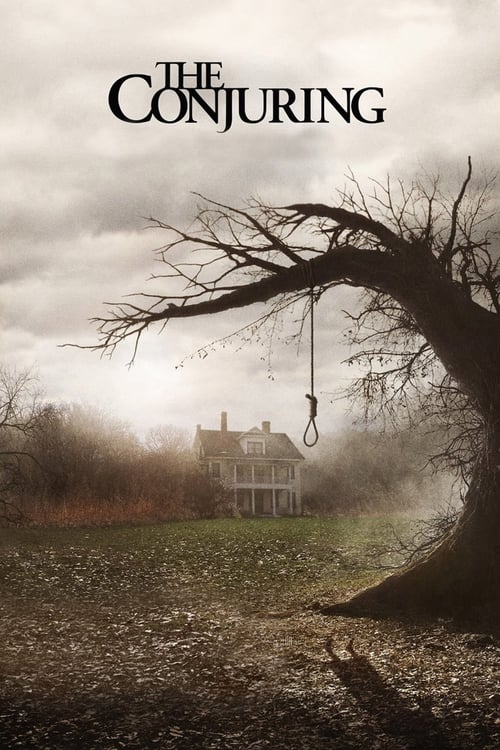
Lately critics have taken to calling it "elevated horror," which mostly means horror doing what it always did at its best: story first, dread over cheap jumps. Get Out (2017) turned meeting your girlfriend's parents into a razor-edged thriller about race, and Jordan Peele went home with the Oscar for the screenplay. Hereditary (2018) is about grief first and the occult second, which is why it gets under your skin and stays there. A Quiet Place (2018) built a blockbuster out of silence — I have never heard a cinema audience behave themselves so well — and The Witch (2015) found real terror in a 1630s family falling apart at the edge of a forest. Meanwhile the Conjuring films keep the mainstream end of the genre very rich indeed.
There's one more reason I think horror's future is safe: it's where directors learn the trade. Sam Raimi, Peter Jackson, Guillermo del Toro, James Wan, Robert Eggers, Ari Aster — all of them started out scaring people cheaply before the Oscars and blockbusters came calling. Small budgets force invention, and invention is where the next classic is always hiding. Whatever we're all afraid of next — and there's always a next thing — horror will find it first, give it a face, and put it on a poster. See you in the dark.