Everybody can name the season it happened — the one where childhood quietly ended and nobody gave you any warning. That's why coming-of-age films hit different from every other genre. They're not really about teenagers. They're about the people we used to be, aimed with scary accuracy at the adults we became. A great one can put you back in your own twelve-year-old shoes in about four minutes. Here are the ones that do it best, from my entirely biased, frequently rewatched collection.
The Ones Everybody Should Start With
Stand by Me (1986) is the film I'd hand to anyone who doubts the genre. Rob Reiner took a Stephen King story and made it about four friends in 1959 who walk the railroad tracks to find a missing boy. Yes, there's an adventure, and yes, there's a body at the end of it — but the real subject is the walk itself, those last few miles of being twelve together. River Phoenix is extraordinary in it. And the closing line, which I won't spoil properly, boils down to this: you'll never have friends again like the ones you had at twelve. I've been turning that over for years and I still can't find the lie in it.
The Breakfast Club (1985) does the opposite trick: five teenagers, one Saturday detention, almost nowhere to go. John Hughes wrote those kids — the athlete, the brain, the basket case, the princess, the criminal — with a respect teen films hadn't really bothered with before, and then lets them take each other's labels apart for ninety minutes. Dead Poets Society (1989) sits at the other extreme, a boarding school run on rules and tradition, with Robin Williams as the teacher telling his boys to make their lives extraordinary. I first saw it at exactly the wrong — or right — age, and it rearranged something in me.
Filmed Growing Up, Literally
Then there's Boyhood (2014), which did something nobody had ever pulled off. Richard Linklater shot it a few weeks a year for twelve real years, so Ellar Coltrane grows from a little kid into a college freshman in front of you, in one film. There's no big climax. There are haircuts, house moves, a divorce, a graduation — the ordinary stuff, stacked up until it suddenly adds up to a whole childhood. Nothing in cinema feels like it, because nothing else was made like it.
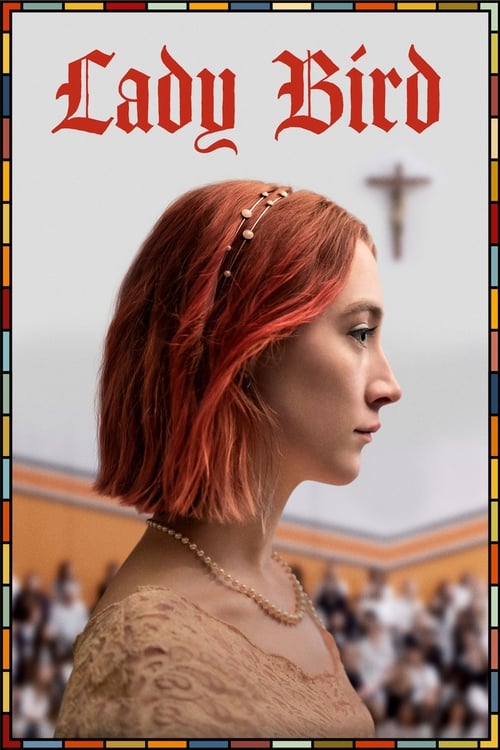
Lady Bird (2017) was Greta Gerwig's first film as a solo director, and it arrived fully formed. Saoirse Ronan plays a Sacramento teenager desperate to escape to somewhere she imagines is more alive, and the film's beating heart is her war with her mother — Laurie Metcalf, magnificent — two people who love each other completely and cannot seem to say one soft thing out loud. If you've ever left home while your mum pretended not to mind, bring tissues. And for the quiet kids: The Perks of Being a Wallflower (2012), all letters and mixtapes and that one tunnel scene where, for about thirty seconds, a shy kid feels infinite. That's the whole genre in a single shot.
Growing Up, Everywhere Else
- Spirited Away (2001) — Miyazaki sends a sulky ten-year-old to work in a bathhouse for spirits. Growing up, here, means hard work, courage, and remembering your own name.
- Cinema Paradiso (1988) — a Sicilian boy, a cinema projectionist, and the return home years later that undoes every grown man who watches it.
- Persepolis (2007) — Marjane Satrapi's own story, animated in black and white: childhood in revolutionary Tehran, exile in Europe, and a grandmother worth the whole film.
- Rocks (2019) — a London teenager suddenly raising her little brother alone, played by real schoolgirls. It rings completely true because it basically is.
- Mid90s (2018) — Jonah Hill's small, raw film about a boy adopted by a pack of older skaters in LA. Uncomfortably honest about wanting to belong.
First Love, First Loss
The genre runs on two fuels: falling in love, and losing something. Call Me by Your Name (2017) gives you one Italian summer and a seventeen-year-old falling all the way in, and then ends with a single shot by a fireplace that says more about heartbreak than most films manage in two hours. Moonlight (2016) tells one life in three chapters — Chiron as a bullied kid in Miami, then a teenager, then a guarded man — and asks how much of who we are is tenderness we were or weren't given. It won Best Picture at the Oscars, and it's the rare case of the award going to the brave choice.
Eighth Grade (2018) is the modern one, and it's almost physically hard to watch if you survived middle school — which is everyone. Social media has given thirteen-year-olds a whole new stage to be terrified on, and this film understands that agony minute by minute. And sometimes growing up runs in reverse: Aftersun (2022) is a woman piecing together a childhood holiday with her young dad, twenty years on, seeing things she couldn't possibly have seen then. Its ending is one of the quietest gut-punches in recent film. I needed a walk after that one.
A Marathon Idea, Free of Charge
Here's my favourite way to watch these: pair the generations. Put The Breakfast Club next to Eighth Grade and notice how the fear rhymes across thirty years — the same desperate wish to be seen properly by somebody. Or Stand by Me next to Aftersun: two stories about looking back at people you loved long before you understood them. Slang changes, music changes, the phones get smaller and then bigger again — but first independence, first betrayal, and the day you realise your parents are just people too? Those don't move an inch. These films are time machines. The trick is, they don't take you back to the past. They show you it never really left.