My dad introduced me to spy movies the way dads used to — a Connery Bond film on the TV, volume up, no talking during the good bits. I was hooked for life. The genre just has everything: great locations, people lying beautifully to each other, and that lovely constant question of who in this room is about to get betrayed. But spy films actually come in two very different flavours, and I love both — the glamorous ones with the gadgets, and the miserable ones where espionage is mostly paperwork and regret. Here's the best of each.
Bond, Obviously
You can't start anywhere else. Out of the whole series, From Russia with Love (1963) might still be my favourite Bond film, which gets me in trouble at parties. No gadgets worth mentioning, no world-ending plot — just Connery, a briefcase, a train, and a fight in a cramped carriage compartment that's still one of the nastiest, best-staged brawls ever filmed. Goldfinger (1964) is the one that built the template everyone copied afterwards: the villain with the absurd plan, the henchman with the hat, the works.
Then Daniel Craig showed up and kicked the furniture over. Casino Royale (2006) gives us a Bond who bleeds, sulks, falls properly in love and gets it thrown back at him — built around a card game, of all things, and it's riveting. Skyfall (2012) is the prettiest Bond ever made (Sam Mendes directing, Roger Deakins shooting) and, weirdly, the most emotional: a film about getting old, going home, and the people who raised you. The teenage me would've found that boring. The current me thinks it might be the best of the lot.
The Miserable, Brilliant Cold War Films
John le Carré wrote spies the other way: tired men in damp offices, trading small betrayals and calling it patriotism. The Spy Who Came in from the Cold (1965) has Richard Burton as a burnt-out agent sent on one last job he clearly won't survive, and it's as bleak as the genre gets — which is to say, perfect. Nearly fifty years later, Tinker Tailor Soldier Spy (2011) did the same trick again, with Gary Oldman as George Smiley barely raising his voice for two hours while he hunts a mole. Oldman does more with silence in that film than most actors do with a monologue.
Two more you shouldn't skip. Three Days of the Condor (1975) opens with Robert Redford popping out for lunch and coming back to find his whole CIA office murdered — post-Watergate paranoia you can chew on. And The Lives of Others (2006), the German film about a Stasi officer listening in on a playwright's life, is the rare spy movie that will actually break your heart. Spying as a slow, intimate tragedy. I think about that ending a lot.
Bourne, Cruise, and the Modern Way
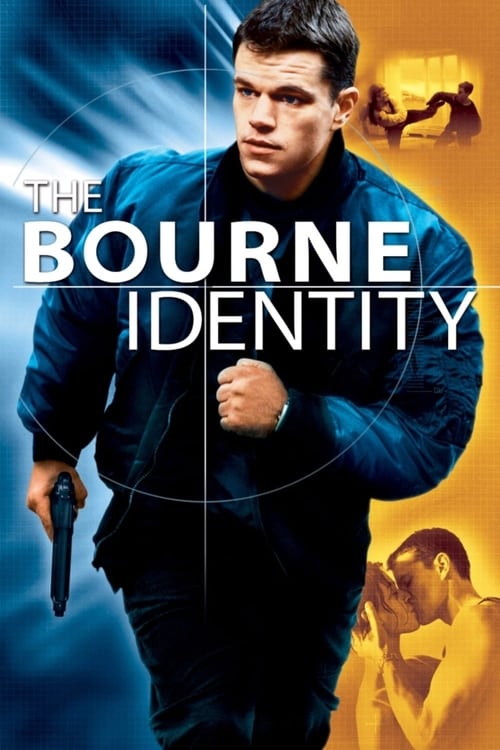
The Bourne films rewired action cinema. The Bourne Identity (2002) started it, but The Bourne Ultimatum (2007) is the peak — Paul Greengrass shooting chases like news footage, Matt Damon fighting in cramped flats and solving every problem with whatever's lying around: a book, a towel, a radiator. After Bourne, every action hero suddenly had to be competent, shaky-cam became a thing (sometimes annoyingly so), and Bond himself toughened up in response. That rarely happens — one series forcing another to change.
Tom Cruise's answer was to personally try to die on camera for our entertainment. The Mission: Impossible films started as a clever little thriller in 1996 and turned into the stunt show of our era, with Fallout (2018) at the top of the pile: a real high-altitude parachute jump, a helicopter chase, Cruise's broken ankle left in the finished film because the take was good. Elsewhere, The Man from U.N.C.L.E. (2015) is pure retro style — a film that dresses better than I ever will — and Atomic Blonde (2017) drops Charlize Theron into Cold War Berlin and gives her a stairwell fight, shot to look like one take, that left me genuinely tired just watching it.
Don't Sleep on These
- North by Northwest (1959) — Hitchcock basically invents the modern blockbuster. Cary Grant, a crop duster, Mount Rushmore. Perfect.
- The Ipcress File (1965) — Michael Caine as the anti-Bond: working class, wears glasses, cooks. Deliberately unglamorous and very cool.
- Munich (2005) — Spielberg's grim, morally messy film about a covert revenge squad slowly falling apart.
- A Most Wanted Man (2014) — Philip Seymour Hoffman's last lead role, as a spymaster so weary you can feel it. A quiet gut-punch.
- Bridge of Spies (2015) — Tom Hanks trading prisoners in a frozen, divided Berlin. Spielberg doing restraint, beautifully.
- Spy (2015) — proof the genre works as comedy. Jason Statham, playing a parody of himself, is funnier than he has any right to be.
One Last Thing
What I keep noticing, going back through sixty years of these films, is that the gadgets date but the people don't. The dead drop in the park, the safe house that isn't safe, the handler who clearly knows more than they're saying — Burn After Reading (2008) even built a whole dark comedy out of idiots blundering into real intelligence work. And telly's doing its bit too: Slow Horses is out there right now proving there's a huge appetite for shabby, brilliant, deeply unglamorous spies. Because the best spy stories were never really about secrets. They're about what it costs a person to lie for a living — and what's left of them when the mission ends. Trust no one, and enjoy.