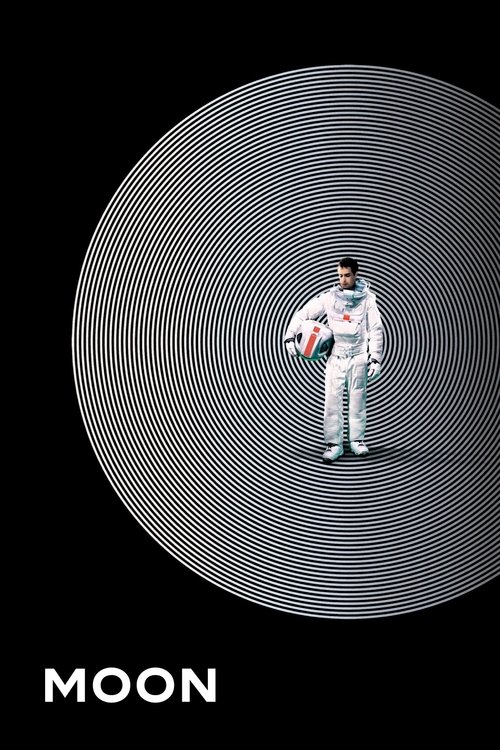
Ask ten movie fans to name the greatest sci-fi film ever made and you'll start an argument that lasts all night. I've had that argument more times than I can count, usually around 1 a.m., usually with someone insisting Alien is "actually a horror movie." (It is. It's also sci-fi. Both things can be true.) So here's my list — the films I'd hand to anyone who wants to see what this genre can really do.
The Old Guard: Classics That Still Hold Up
Let's get the big one out of the way. 2001: A Space Odyssey (1968) is either a masterpiece or the most beautiful screensaver ever made, depending on who you ask. Kubrick shot it before we'd even landed on the Moon, and somehow his space stations still look more convincing than half the CGI we get now. Fair warning: the last twenty minutes will melt your brain a little. That's kind of the point.
Ridley Scott made two of the greatest back to back, which honestly seems unfair to everyone else. Alien (1979) treats space like a dead-end job — the Nostromo crew are basically truckers in orbit, grumbling about their pay, right up until something starts hunting them. Then Blade Runner (1982) gave us a rain-soaked, neon-lit Los Angeles and Rutger Hauer improvising one of the most moving speeches ever put on film. It flopped on release, by the way. Audiences were wrong a lot in 1982.
If you'd rather have joy than dread, Back to the Future (1985) is still about as close to a perfect script as Hollywood has ever produced. Every joke sets up a payoff, and every payoff was hiding in plain sight. James Cameron's The Terminator (1984) and Terminator 2: Judgment Day (1991) round out the era for me — lean, mean, and built on an idea that somehow gets more relevant every year.
The Ones That Mess With Your Head
The Matrix (1999) landed at exactly the right moment. Half the audience walked out wanting to learn kung fu. The other half walked out quietly wondering if reality was real. I was firmly in the second group, and I still think about the red pill/blue pill scene far more than a normal person should.
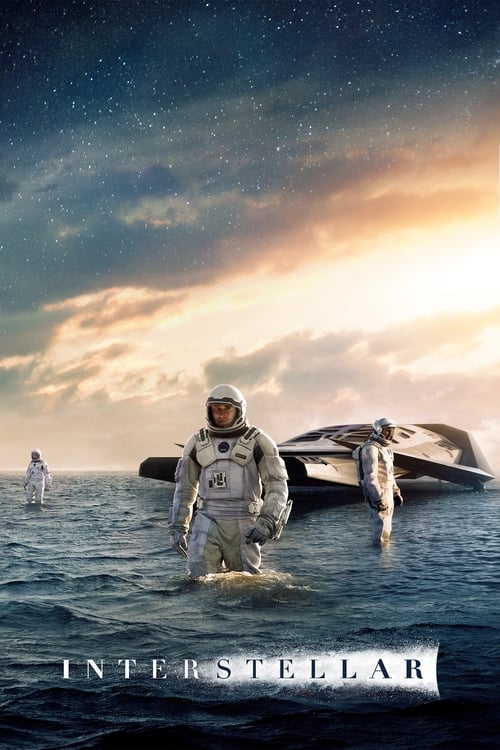
Christopher Nolan's Interstellar (2014) is the one that gets me emotional, which people don't expect from a film full of wormholes and equations. Yes, the science is impressive — they had physicist Kip Thorne consulting, and the black hole visuals were so accurate they fed into actual published research. But the scene that wrecks me is Matthew McConaughey watching decades of missed video messages from his kids. That's not a space movie moment. That's a gut punch.
Then there's Arrival (2016), Denis Villeneuve's quiet little masterpiece about a linguist trying to communicate with visitors whose language doesn't work anything like ours. Amy Adams was robbed of an Oscar nomination for this, and I will die on that hill. No explosions, no invasion — just language, grief, and a final-act reveal that lands like a feather and a hammer at the same time.
Recent Favourites and a Few You Might've Missed
Two modern ones I recommend constantly: Her (2013), where Joaquin Phoenix falls for an AI voiced by Scarlett Johansson and the film plays it completely straight — tender, sad, and uncomfortably plausible these days. And The Martian (2015), where Matt Damon survives Mars with potatoes, duct tape, and a disco playlist he can't stand. It's that rare sci-fi film that's basically optimistic, and sometimes that's exactly what you need.
A few more that belong on any watchlist:
- The Empire Strikes Back (1980) — still the best Star Wars movie, and yes, I will argue about it.
- E.T. (1982) — Spielberg making grown adults cry over a stranded alien in a suburban backyard.
- District 9 (2009) — aliens stuck in a Johannesburg slum, shot like a documentary, and much angrier than it first appears.
- Children of Men (2006) — no child has been born in eighteen years, and those long unbroken takes still don't seem physically possible.
- Ex Machina (2014) — three people, one glass house, and a robot who might be the smartest person in it.
- Dune (2021) — the "unfilmable" book, finally filmed. Turn the sound up. The bass alone is an experience.
So Where Do You Start?
If you're new to all this, start fun: Back to the Future or The Matrix. Ready to feel something? Arrival, then Interstellar — keep tissues nearby for both, honestly. Save 2001 and Blade Runner for a night when you're happy to let a film wash over you instead of explaining itself. Because that's the thing about the best sci-fi. The spaceships are nice, sure. But the films that last are the ones that are secretly about us — our fears, our curiosity, and our stubborn hope that there's something out there worth finding.